Are Akitas Easy to Train? Temperament and Trainability FAQ
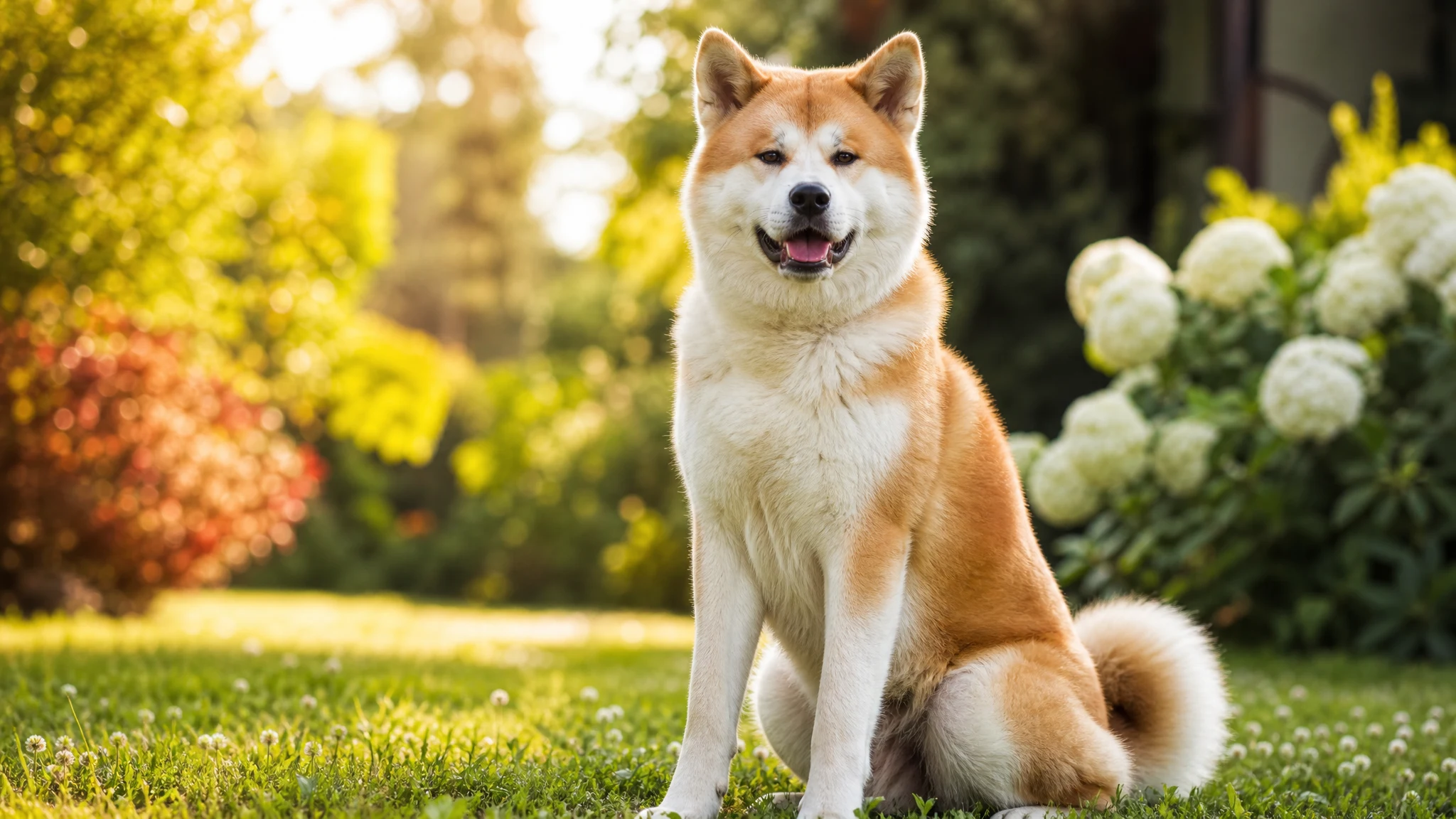
General training information. Every dog is an individual; for health or behavior concerns, see your veterinarian.
Akitas are smart, loyal and dignified. They are also independent, which is why the answer to "are Akitas easy to train" is more nuanced than yes or no. Below are straight answers on Akita trainability, temperament and who the breed suits, drawn from the American Kennel Club (AKC) and the Akita Club of America (ACA). Individual dogs vary, so treat these as a starting point.
Trainability and Intelligence
Are Akitas easy to train?
Not for everyone. The AKC describes the Akita as very intelligent and loyal but independent and headstrong, and says the breed must be trained consistently starting in puppyhood. Learning is rarely the problem. Getting an independent dog to care about your cue is the real work.
Are Akitas smart?
Yes. The AKC calls the breed very intelligent. Smart is not the same as eager to please, though, so an Akita may understand what you asked and still weigh whether it wants to do it.
What is the AKC trainability rating for the Akita?
Check the AKC breed page for its current trait ratings, since star scores can change. What the AKC says in words is clear enough: intelligent, independent and headstrong. That is the picture to plan around.
Why do Akitas seem stubborn?
The ACA describes the breed as very stubborn when a command is repeated. Nagging tends to make an independent dog tune you out. Ask once, wait, and reward the response you want.
When should Akita training start?
The AKC says consistent training should begin in puppyhood. The ACA also lists a puppy class for 3-to-5-month-olds that emphasizes socialization. A cute eight-week-old is very different from a full-grown adult, so build good habits before the size arrives.
What training methods work for an Akita?
Reward-based training, in line with the American Veterinary Society of Animal Behavior (AVSAB). Use food, praise and calm repetition, and keep sessions short and clear. Harsh corrections risk damaging trust with a proud, sensitive breed.
Can an Akita do obedience and dog sports?
Yes. The ACA lists agility, barn hunt, obedience, rally, scent work, dock diving, weight pull and carting, and therapy work among Akita activities. Its performance program also recognizes titles such as Obedience Utility and Rally Master. For a step-by-step plan, see our complete guide to Akita training.
Temperament
What is the Akita temperament?
The ACA calls the Akita proud, confident and exceptionally loyal. The AKC describes quiet, fastidious dogs that are wary of strangers and often intolerant of other animals. Expect a dignified family dog, not a social butterfly.
Are Akitas protective?
The ACA says the Akita is an instinctive home guardian and needs no training to guard. That makes secure fencing, controlled greetings and early socialization important. Never leave visitors and a guarding dog to work it out alone.
Do Akitas bark a lot?
Generally no. The ACA says the breed is generally quiet and not prone to nuisance barking. When an Akita does speak up, it is worth noticing why.
Does eye contact matter with an Akita?
It can. The AKC notes that prolonged eye contact can be seen as a challenge by an Akita. Use soft glances and a calm voice, and teach kids and guests not to stare the dog down.
Other Dogs, Children and Pets
Are Akitas good with other dogs?
Not generally. The ACA describes a genetic predisposition for intolerance of other dogs, especially of the same sex, and says an Akita does best in a male/female pair or as the only dog. The ACA also says same-sex aggression may not appear until the dog is fully mature.
Is a dog park a good place to socialize an Akita?
No. The ACA says dog parks are not appropriate places to socialize an Akita. Choose a structured puppy class and planned, controlled meetings with calm dogs instead.
Are Akitas good with children?
The ACA says interactions with children should be respectful and well monitored. That means adult supervision and teaching kids to leave the dog alone while it eats or rests. Breed reputation is no substitute for watching the individual dog.
Can an Akita live with cats or small pets?
Use caution. The ACA lists high prey drive among the breed's challenges, and says cats, small dogs and other small pets need careful introduction. Some households will not be a safe fit.
Daily Life with an Akita
How much exercise does an Akita need?
Moderate amounts. The ACA rates the energy level as medium, and the AKC says a jog or brisk walk at least once a day meets the needs of most. Add mental work, since a bored, intelligent dog finds its own jobs.
Can an Akita be trusted off leash?
The ACA warns against it. It says an Akita will go hunting on its own if off leash and should never be off leash in an unsecured area. A solid recall helps, but it does not replace a fence or a leash.
How much do Akitas shed?
Heavily. The ACA says the breed sheds year-round, with a drastic increase during coat changes. The AKC says the dense undercoat blows twice a year, so plan on regular brushing and a strong vacuum.
How big do Akitas get, and how long do they live?
The AKC lists males at 26 to 28 inches and 100 to 130 pounds, and females at 24 to 26 inches and 70 to 100 pounds. The AKC gives life expectancy as 10 to 14 years. That is a big dog and a long commitment, so manners matter from day one.
Is the Akita Right for You?
Are Akitas good for first-time owners?
The ACA says the breed is challenging for first-time owners. An independent, guarding, sometimes dog-selective breed leaves little room for guesswork. A committed beginner with a good mentor, a breeder's support and a training class can make it work, but it takes effort.
Who is the Akita a good match for?
Owners who want a quiet, loyal companion and will train daily, supervise carefully and manage the dog's contact with other animals. The ACA also points buyers toward breeders who health-test their breeding dogs. A home with a secure yard and no unsupervised dog-park visits suits the breed best.
What are the biggest Akita myths?
One myth says stubborn means dumb, when the AKC calls the breed very intelligent. Another says an Akita needs a dominant hand. The ACA does say the owner should lead early and train the dog personally, but that leadership comes from clear rules and rewards, in line with AVSAB guidance, not force. Individual dogs vary.
Sources
- American Kennel Club: Akita breed page
- Akita Club of America: Meet The Akita
- Akita Club of America: Frequently Asked Questions
- Akita Club of America: Living With An Akita
- Akita Club of America: The Akita
- Akita Club of America FAQ: Dog park
- Akita Club of America: Akita Activities
- Akita Club of America: Obedience