Akita Sports and Jobs: Putting the Breed's Instincts to Work
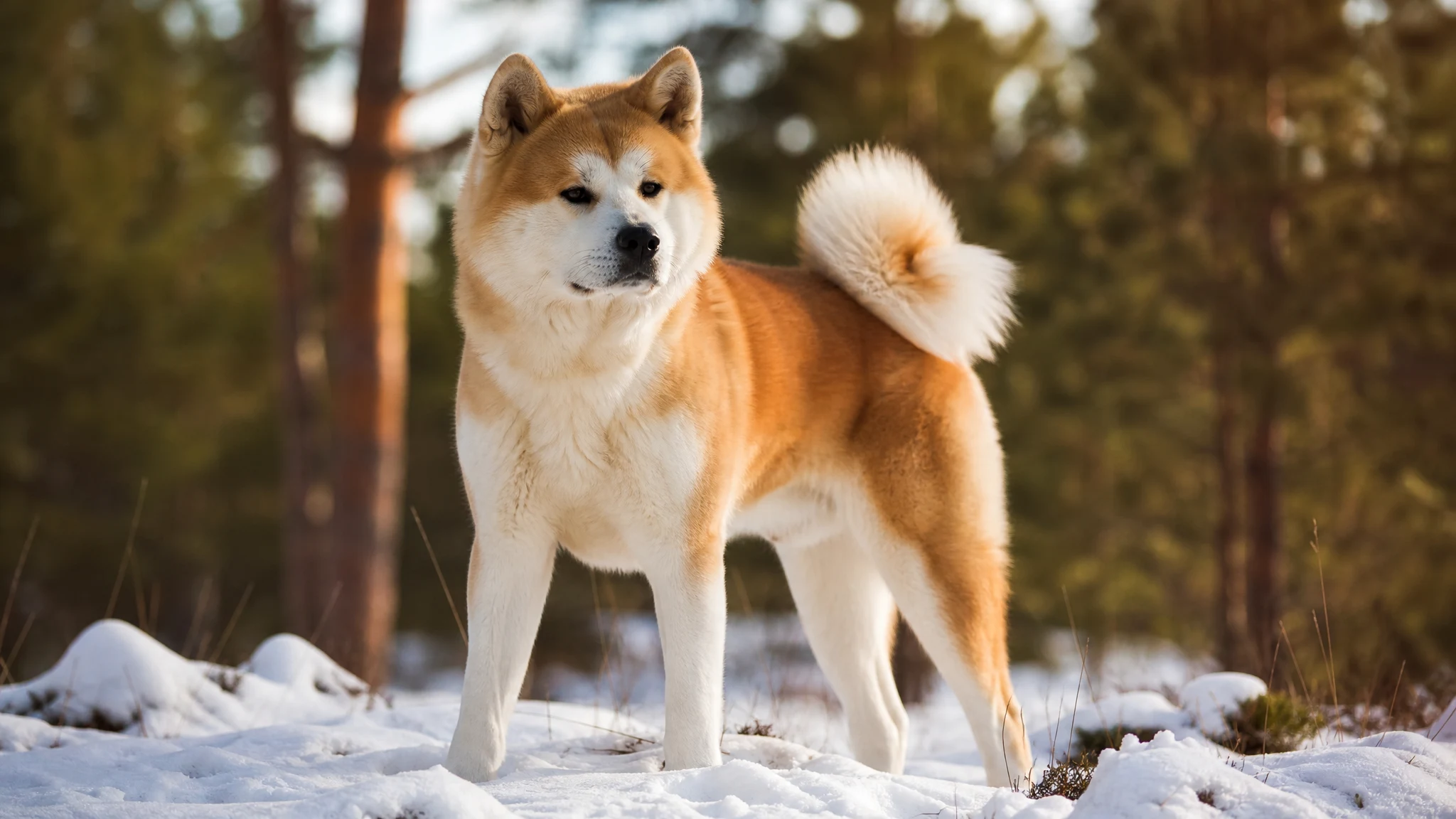
General training information. Every dog is an individual; for health or behavior concerns, see your veterinarian.
An Akita with nothing to do is not a relaxed dog. It is a clever, independent dog finding its own entertainment. Akita sports give that mind a legitimate outlet, and they build the kind of teamwork this breed rarely hands out for free.
This guide walks you through choosing an activity, building the basic skills, and getting into your first class or trial. It is written for owners who want an Akita working dog in the broad sense: a dog with a purpose, even if that purpose is a ribbon and a bag of treats.
Why the Akita Is Worth Working
The American Kennel Club (AKC) says the breed was developed in the early 17th century in the Akita prefecture of northern Japan, and that it was bred to hunt in the mountains, going after elk, wild boar and bear. The Akita Club of America (ACA) adds that the breed was used to hunt bear and guard property, and even as a palace guard.
That is a lot of history for one dog. The AKC describes the Akita as very intelligent and loyal, but also independent and headstrong. The ACA calls the breed very stubborn when a command is repeated. So the goal of any activity is not to win an argument. It is to make cooperation worth the dog's while.
One more point from the ACA: the Akita guards the home without any training. You do not need to teach it. Your job in sports is to give it other things to be good at.
The Sports and Jobs the Parent Club Lists
The Akita Club of America's activities page lists these options for the breed:
- Agility
- Barn Hunt
- Canine Good Citizen and Trick Dog
- Conformation
- Dock Diving
- FastCAT
- Obedience
- Rally
- Scent Work
- Therapy
- Weight Pull and Carting
The ACA Performance program also recognizes top achievements in several of these, including Agility Master, Barn Hunt Master, Dock Diving Elite, Obedience Utility, Rally Master, Scent Work Master and Therapy Dog Supreme. Those titles show that individual Akitas have succeeded across a wide range of activities. They do not mean every Akita will enjoy every one, and individual dogs vary.
Materials You Will Need
- A flat buckle or well-fitted harness and a sturdy six-foot leash. No prong, choke or shock collars, ever.
- Small, soft, high-value treats your dog loves, cut pea-sized so you can reward often.
- A favorite toy, if your dog likes toys, as a second kind of reward.
- A treat pouch or pocket so rewards are fast.
- A long line for outdoor practice in a secured space.
- A fenced or otherwise secure training area.
- A notebook for tracking short sessions and what your dog found easy or hard.
- A current copy of the rules for the event you choose, from the host organization.
Step 1: Get Your Foundation in Place
Every activity on the list sits on top of the same base skills: attention, a reliable sit and down, a loose leash, and a calm recall in a secured area. If these are shaky, start with the basics in our complete guide to Akita training before you sign up for anything.
The AKC says an Akita must be trained consistently, starting in puppyhood. The ACA says the owner should take control early and train the dog personally. In practice, that means you are the one at the other end of the leash. Do not hand your dog to someone else to "fix."
Keep sessions short. Five to ten minutes, a few times a day, beats one long grind. Because the ACA notes that repeating a command gets you nowhere with this breed, say a cue once, wait, and help the dog succeed if it does not respond. Then reward the right answer.
Step 2: Match the Activity to Your Dog
Pick one sport, not five. Use what you know about your own dog.
If your dog loves to sniff and search
Scent Work and Barn Hunt both build on the nose and the drive to find things. Given the breed's history of hunting, these are natural places to look first. This is my reasoning, not a claim from the breed sources, so let your dog tell you whether it agrees.
If your dog likes learning tricks and routines
Rally, Obedience, Canine Good Citizen and Trick Dog reward precision and a good working relationship. Rally lets you talk to your dog as you go around a course, which suits a dog that gets bored by silent, rigid drills.
If your dog is athletic and confident
Agility, FastCAT and Dock Diving ask for speed and body control. Check with your veterinarian first, particularly for young dogs. The ACA lists hip dysplasia and other joint conditions among the health concerns in the breed, and high-impact work is a conversation to have with your vet before you start.
If your dog is strong and steady
Weight Pull and Carting use the breed's size. The AKC gives Akita males at 100 to 130 pounds and females at 70 to 100 pounds. Equipment must fit properly and work must be built up slowly, so talk to a club that runs these activities before buying anything.
If your dog is calm and people-friendly
Therapy work needs a dog that tolerates handling and new places. The ACA says the Akita is wary with strangers in some cases and that children should be well monitored around the dog. Many Akitas will not suit therapy work, and that is a perfectly good answer.
Step 3: Build Skills with Rewards
Reward-based training is the approach recommended by the American Veterinary Society of Animal Behavior (AVSAB), and it suits a thoughtful, independent breed. A dog that is bullied tends to become a dog that shuts down or pushes back.
- Mark and reward. Say "yes" or use a clicker the instant your dog does the right thing, then deliver a treat.
- Lure, then fade. Use a treat to guide the movement a few times, then remove the lure and reward only when the dog does it on a cue.
- Add one thing at a time. Duration, distance and distraction should be raised separately, never together.
- End on a win. Finish while your dog is still keen, with an easy cue it can nail.
The AKC notes that prolonged eye contact can be seen as a challenge by an Akita. Reward quick, soft glances rather than staring contests, and keep your body language relaxed when you ask for attention.
Step 4: Find a Class and Observe First
You do not need a famous trainer. You need a qualified, humane instructor and a class size your dog can cope with.
- Look at the AKC's event and club listings and at the Akita Club of America's activities and puppy class pages to see what is offered. The ACA describes a puppy class for 3 to 5 month olds that emphasizes socialization.
- Contact local obedience, agility or sport clubs directly. Ask what methods they use and whether they welcome large, independent breeds.
- Visit a class without your dog first. Watch how the instructor handles nervous or pushy dogs.
- Ask about class structure. Your Akita may do better in a small class with space between dogs, or in a private lesson.
If a facility insists on harsh corrections, leave. The ACA breed notes are clear that the dog will not thank you.
Step 5: Plan Around Other Dogs
This step matters more for Akitas than for most breeds. The ACA says the Akita has a genetic predisposition for intolerance of other dogs, especially of the same sex, and that it does best in a male and female pair or as the only dog. The ACA also says same-sex aggression may not appear until the dog is fully mature.
The ACA states that dog parks are not appropriate places to socialize an Akita. Sports classes are different because they are structured, but you still need to protect your dog and others.
- Tell instructors about the breed's potential for dog-to-dog tension before the first class.
- Keep distance from unfamiliar dogs in waiting areas. Ask for a quiet corner or wait in the car until your turn.
- Do not allow greetings on leash.
- Choose sports with little direct dog contact, such as Scent Work, Rally or Obedience, if your dog is tense around other dogs.
If your dog's reactions are increasing, speak with your veterinarian and a qualified, reward-based behavior professional before you continue.
Step 6: Enter a First Event
Do not rush. A good rule is to enter when your dog performs the skills reliably in at least three different locations with mild distractions.
- Read the rules for the event from its host organization. Eligibility, registration and entry requirements are theirs to state, so check with them directly.
- Attend a trial as a spectator first. Many are open to watch.
- Arrive early so the dog can settle. Park away from the main traffic.
- Keep your first goal modest: finish the run with a calm, connected dog.
- Reward generously afterward, win or not.
The AKC and the ACA both offer information on events and titles. The AKC also runs the Canine Good Citizen program, which can be a friendly first goal because it tests everyday manners rather than speed.
Tips for Success
- Train for your dog's pace. The ACA describes the Akita's exercise needs as medium, and the AKC says a jog or brisk walk at least once a day meets the needs of most. You do not need to drill for hours.
- Keep it varied. A bright, independent dog gets bored quickly with repetition.
- Use jackpots. A handful of treats for a breakthrough tells your dog you noticed.
- Protect the joints. Ask your veterinarian when it is safe to start jumping or heavy pulling, especially with a growing dog.
- Watch for bloat risk. The ACA lists gastric dilatation volvulus (bloat) among the most common health concerns. Ask your veterinarian how to schedule meals and exercise.
- Stay on a lead. The ACA warns of an off-leash risk. The AKC and ACA both note the breed will go hunting on its own if loose, so never train off leash in an unsecured area.
Common Mistakes to Avoid
- Repeating cues. Say it once. Help the dog, then reward.
- Using force or dominance methods. They damage trust, and the AVSAB recommends against them.
- Skipping socialization. The ACA puts weight on early socialization, but through controlled experiences, not dog parks.
- Starting heavy work on a puppy. A cute eight-week-old is very different from a full-grown adult, as the ACA puts it. Wait for your veterinarian's go-ahead on joint-stressing activities.
- Entering too soon. A stressed first trial can set you back.
- Choosing a sport you like instead of one your dog likes. Watch the dog.
What to Expect
With regular, short, reward-based sessions, many owners find their Akita becomes more focused and more willing to work with them. Some dogs may also settle better at home when they have a regular mental outlet. Results vary a great deal from dog to dog, and the breed's independent nature means progress may come in uneven steps.
The ACA notes the breed can be challenging for first-time owners. If this is your first Akita, a patient instructor and a small class can make the difference. Keep realistic goals, celebrate small wins, and remember that a calm walk past another dog can be a real achievement.
For health questions, from joint concerns to a sudden change in behavior, talk to your veterinarian.
Sources
- Akita Club of America, Akita Activities
- Akita Club of America Performance, Programs
- Akita Club of America, The Akita
- Akita Club of America, Meet The Akita
- Akita Club of America, Living With An Akita
- Akita Club of America, Frequently Asked Questions
- Akita Club of America FAQ, dog park
- Akita Club of America, Obedience
- Akita Club of America, Health Concerns
- American Kennel Club, Akita breed page
- American Kennel Club, Akita History